
Rubber Membrane Systems That Don't Fail Early
EPDM & Rubber Roofing in Goldsboro for low-slope buildings where asphalt systems have already failed
Low-slope additions and older commercial buildings across Eastern NC commonly need EPDM when asphalt systems fail, and Goldsboro and Seven Springs see frequent low-slope moisture issues that membrane roofing addresses. Seam adhesion method and edge termination detail are where EPDM installations most commonly fail prematurely, and Red Bow Roofing & Construction installs rubber membrane roofing with a detail-focused process targeting these two failure points. The family-owned crew knows that skipped seam preparation and improper edge flashing cause the majority of callbacks on rubber roofing projects.
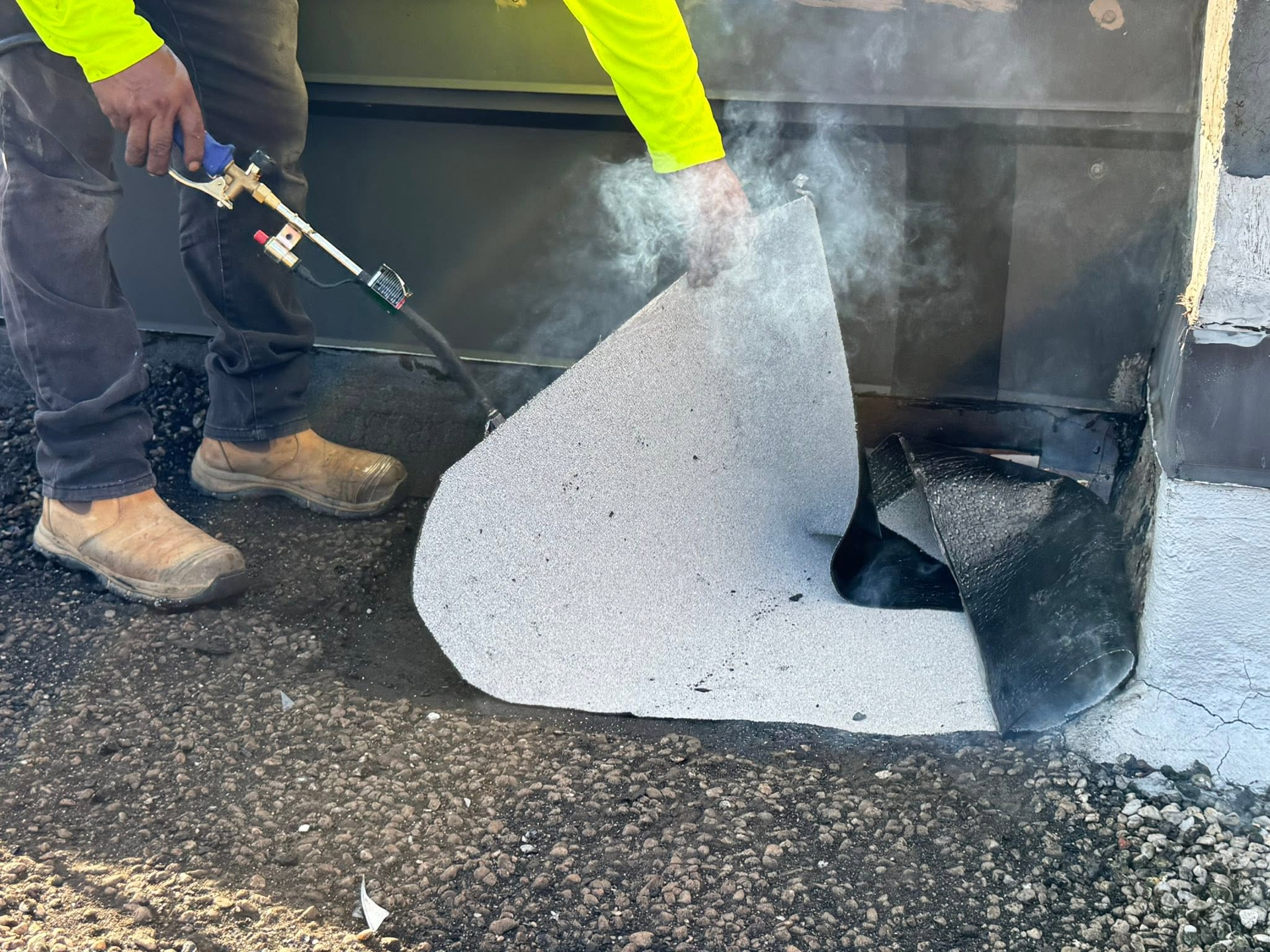
Installation involves cleaning and priming seam areas before adhesive application, using proper roller pressure to activate the bond, and terminating edges with mechanically fastened strips rather than relying on adhesive alone. Seam width and overlap get verified during installation because insufficient overlap creates weak points that separate when the membrane expands during summer heat.
Arrange a site evaluation to determine whether EPDM is appropriate for your roof pitch and substrate condition.
Why EPDM Seams and Edges Fail
EPDM seams rely on adhesive bonds that fail when surface preparation is inadequate or when adhesive doesn't receive proper activation pressure. Dirt, moisture, or oxidation on the membrane surface prevents adhesive from bonding, and insufficient roller pressure leaves air pockets that allow water intrusion. Edge terminations fail when membrane edges rely solely on adhesive without mechanical fastening, because thermal movement and wind uplift stress the bond until it separates.
After installation, you'll notice that seams remain bonded during temperature swings, edges stay secured during high winds, and the membrane surface doesn't show lifting or bubbling at termination points. On-site supervision during seam preparation and edge fastening prevents the installation shortcuts that cause premature failure, and the process addresses both of the most common EPDM failure points before they develop into leaks.
EPDM installation includes substrate inspection to verify the deck is dry and smooth enough for membrane adhesion, insulation layer installation when energy performance matters, and flashing integration at all penetrations and parapets. Membrane thickness selection depends on roof traffic, puncture risk from overhanging branches, and whether rooftop equipment will be installed later.
Common Questions Before Starting EPDM Work
Building owners who've already experienced rubber roof failure want to know what went wrong and how to prevent it from happening again.
What causes EPDM seams to separate after a few years?
Inadequate surface cleaning before adhesive application, insufficient roller pressure during seam activation, narrow overlap width that doesn't provide enough bond area, and adhesive applied in temperatures outside manufacturer specifications all cause premature seam failure.
How does Eastern NC humidity affect rubber roofing installation?
High humidity slows adhesive curing and can introduce moisture to seam surfaces during installation, which requires timing the work during dry weather windows and verifying surface dryness before applying adhesive.
Why do edges and terminations fail before the main membrane shows wear?
Edge terminations experience more thermal movement and wind stress than field areas, and relying on adhesive alone without mechanical fastening at edges means the bond eventually fails under repeated stress.
When should property owners choose EPDM over modified bitumen or TPO?
EPDM makes sense for low-slope roofs with minimal foot traffic, buildings where black membrane color isn't a heat concern, and situations where prior asphalt-based systems failed due to cracking or splitting.
What's the difference between fully adhered and mechanically attached EPDM?
Fully adhered systems bond the entire membrane to the substrate with adhesive, while mechanically attached systems use fastener strips and plates, which allows easier repairs but creates more potential puncture points.
Red Bow Roofing & Construction specializes in EPDM installation for building owners across Eastern NC who've already had one rubber roof fail prematurely, and the installation process focuses on seam preparation and edge termination details that prevent recurring failures. Contact us for a free estimate that includes assessment of prior failure points and substrate condition verification.